


Saving Money Strategies That Build Peace, Wisdom, and a Better Future
Money comes and goes, but the habits we build around money can last a lifetime. Many people believe they have to earn a large income before they can begin saving, but that simply is not true. The greatest financial changes often begin with small, consistent decisions made every day. Whether you are living on a fixed income, working full-time, or preparing for retirement, developing strong saving money strategies can help reduce stress, create opportunities, and provide peace of mind when unexpected expenses appear.
One of the first steps is learning the difference between wants and needs. Every purchase should have a purpose. Before spending money, ask yourself, “Do I truly need this today, or can it wait?” Delaying a purchase for even twenty-four hours often helps you realize it was something you could live without. Those dollars may seem small today, but they grow over weeks, months, and years.
The Bible reminds us that wisdom includes preparing for the future. Proverbs 21:20 (KJV) says, “There is treasure to be desired and oil in the dwelling of the wise; but a foolish man spendeth it up.” That verse teaches an important lesson. Wise people do not spend everything they receive. They intentionally set something aside because they understand tomorrow may bring unexpected challenges.
Another practical way to save money is to create a simple monthly budget. A budget is not a punishment; it is a plan. Write down your income and every regular expense, including housing, utilities, groceries, transportation, insurance, and medical costs. Once those necessities are covered, decide how much can be placed into savings before spending on entertainment or impulse purchases. Even saving ten or twenty dollars each week builds momentum and creates confidence.
Learning to shop with a list is another effective saving money strategy. Grocery stores are designed to encourage impulse buying. Walking through the aisles without a plan usually results in spending more than expected. By preparing a shopping list before leaving home and sticking to it, you reduce unnecessary purchases and stretch your budget much further.
Cooking meals at home also saves a surprising amount of money. Restaurant meals and fast food are convenient, but they add up quickly. Preparing simple meals at home often costs only a fraction of dining out. It also gives you greater control over nutrition and portion sizes, making it beneficial for both your wallet and your health.
Another habit worth developing is comparing prices before making larger purchases. Whether buying appliances, electronics, or household items, taking a few extra minutes to compare prices can save significant amounts of money. Patience often pays. Sales, seasonal discounts, and clearance events frequently provide opportunities to purchase quality items for much less than the original price.
Saving money also means protecting the money you already have. Avoid unnecessary debt whenever possible. Credit cards can be useful when managed responsibly, but carrying high-interest balances makes it difficult to move forward financially. Paying more than the minimum payment whenever possible reduces interest costs and helps you become debt-free sooner.
Ecclesiastes 11:2 (KJV) offers another timeless principle: “Give a portion to seven, and also to eight; for thou knowest not what evil shall be upon the earth.” While this verse has broader applications, it reminds us that preparing wisely for uncertain times is part of living responsibly. Having emergency savings provides stability when unexpected repairs, medical bills, or other emergencies arise.
One of the most overlooked saving money tips is simply avoiding comparison with others. Social media often creates pressure to keep up with lifestyles that may not reflect reality. Someone else’s new car, expensive vacation, or latest gadget should never determine how you spend your money. Financial peace comes from making decisions that fit your own circumstances, not someone else’s expectations.
Children and grandchildren also learn by watching the adults around them. When they see thoughtful spending, responsible saving, and gratitude for what they already have, they carry those lessons into adulthood. Teaching financial wisdom through everyday example may become one of the greatest gifts you ever leave your family.
Luke 14:28 (KJV) says, “For which of you, intending to build a tower, sitteth not down first, and counteth the cost, whether he have sufficient to finish it?” Planning before acting applies just as much to personal finances today as it did when those words were spoken. Careful planning prevents unnecessary hardship.
Saving money is not about becoming fearful or refusing to enjoy life. It is about exercising wisdom, self-control, and good stewardship over the resources Yahweh has placed in our hands. Every dollar saved represents another step toward greater security, greater freedom, and greater peace of mind.
No matter where you are financially today, you can begin making progress. Start small. Stay consistent. Celebrate each milestone along the way. Over time, those simple daily decisions become life-changing habits. Remember, financial success is rarely built overnight. It is built one wise choice at a time, one saved dollar at a time, and one faithful step forward at a time.
I’m RESAMPLE Remember: TRUTH DON’T CHANGE. JUST STRAIGHT TALK

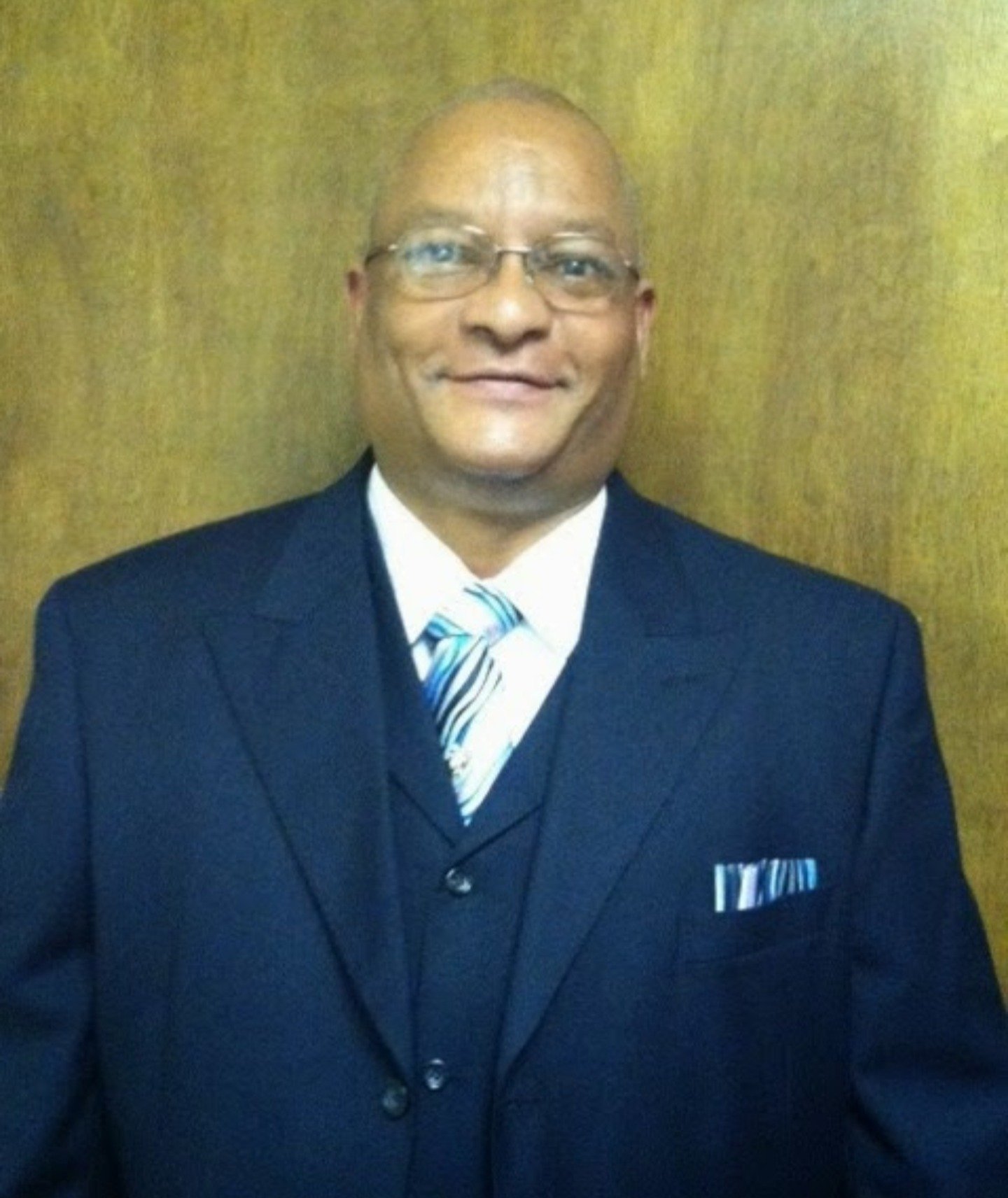
R-E SAMPLE is the creator of Just Straight Talk, a faith-based platform built on one belief: people don’t need more noise, they need the truth spoken plainly.
Through his blog, video blogs, and podcast, Ronald writes about purpose, faith, and living with intention — especially for those who feel overlooked as they get older. His work speaks directly to people navigating retirement, loss, regret, and the quiet question of “what’s the point of all this?” His answer is always the same: your life still matters, and it’s never too late to live with purpose.
Ronald’s writing is honest, direct, and rooted in scripture. He doesn’t dress things up or talk down to anyone. He just tells the truth as he’s lived it and learned it.
Truth don’t change. Just straight talk.