


You can have all the dreams in the world, but if you never turn those dreams into a plan, they will remain dreams. The difference between saying, “One day I’m going to do it,” and actually doing it often comes down to one thing: setting a clear goal and taking consistent action.
Today we’re talking about goal-setting strategies that can help you stop standing still and start moving forward.
A Goal Needs More Than Good Intentions
Most of us have said things like, “I want to save more money,” “I want to get healthier,” “I want to start that business,” or “I want to finally finish that project.”
Those are good intentions, but they aren’t complete goals.
A real goal gives you direction.
Instead of saying, “I want to save money,” say, “I want to save $1,200 over the next 12 months.”
Now you have something measurable. That’s $100 per month.
Instead of saying, “I need to exercise more,” decide what that actually means. Maybe your goal is walking for 20 minutes three times each week.
When you make the goal specific, you make the next step easier to see.
Write Your Goals Down
Don’t depend entirely on your memory.
Write the goal down somewhere you will see it.
There is something powerful about taking an idea out of your head and putting it in front of your eyes. It becomes something you can review, measure, and work toward.
Keep your goals simple.
You don’t need twenty goals at once. Sometimes having too many goals becomes another form of distraction.
Choose one or two things that truly matter and concentrate your energy there.
Ask yourself: What would make the biggest positive difference in my life if I actually completed it?
Start there.
Break Big Goals Into Small Steps
Big goals can become intimidating.
Suppose you want to clean and organize your entire house. Looking at everything that needs to be done could make you want to quit before you begin.
So don’t start with the whole house.
Start with one room.
Then one closet.
Then one shelf.
The same principle works with money, education, business, technology, relationships, and personal development.
Small progress is still progress.
You don’t have to finish everything today. You just need to move forward today.
Give Your Goal a Deadline
A goal without some kind of timeframe can easily become something you keep postponing.
You say you’ll do it tomorrow.
Tomorrow becomes next week.
Next week becomes next month.
And suddenly another year has passed.
Give yourself a reasonable deadline.
That doesn’t mean you should beat yourself up if life forces you to adjust it. A deadline is supposed to create direction, not unnecessary pressure.
If circumstances change, adjust the plan.
But don’t abandon the destination just because the road changed.
Track Your Progress
One of the best ways to stay motivated is to see evidence that you’re moving forward.
If your goal is financial, track the amount you’ve saved.
If you’re learning something new, track the lessons you’ve completed.
If you’re organizing your home, mark each completed area.
If you’re creating content, keep track of what you’ve written, recorded, edited, and published.
Progress becomes encouraging when you can actually see it.
And don’t overlook small victories.
People sometimes refuse to celebrate until they’ve reached the final destination. But every meaningful step deserves recognition.
Expect Some Setbacks
This is important.
You are probably going to have days when things don’t go according to plan.
That doesn’t mean the goal failed.
It means you’re human.
Suppose you planned to work on something Monday, Wednesday, and Friday, but Wednesday fell apart because something unexpected happened.
Don’t throw away the entire week.
Continue Friday.
One missed step does not erase the steps you’ve already taken.
Too many people turn one setback into permission to quit.
Don’t do that.
Learn, adjust, and continue.
Make Sure the Goal Is Really Yours
Sometimes we chase things because somebody else told us we should want them.
That’s dangerous.
Your goals should connect with your values, responsibilities, priorities, and purpose.
Ask yourself why the goal matters.
If you cannot answer that question, you may have difficulty staying committed when things become uncomfortable.
But when you understand your reason, persistence becomes easier.
Your reason doesn’t have to impress anybody else.
It just has to mean something to you.
Stop Waiting for Perfect Conditions
This may be one of the biggest obstacles of all.
We wait until we have more money.
More time.
More confidence.
More information.
Better equipment.
The perfect opportunity.
But perfect conditions rarely arrive.
Sometimes you have to start with what you have and improve as you go.
The first attempt might not be beautiful.
Do it anyway.
You may make mistakes.
Learn from them.
You may discover that your original plan needs changing.
Change it.
Movement gives you information that standing still never will.
Your Next Step Matters
Before you leave this page, identify one goal.
Not ten.
One.
Write it down.
Decide why it matters.
Give it a reasonable deadline.
Break it into smaller steps.
Then ask yourself one final question:
What can I do today that moves me one step closer?
Do that.
Goal setting isn’t about creating a perfect life on paper. It’s about giving yourself direction and turning intentions into action.
If this message helped you, share your thoughts in the comments. Tell me one goal you’re working toward right now. And if you enjoy practical conversations about life, growth, faith, technology, finances, and moving forward, make sure you follow JUST STRAIGHT TALK.
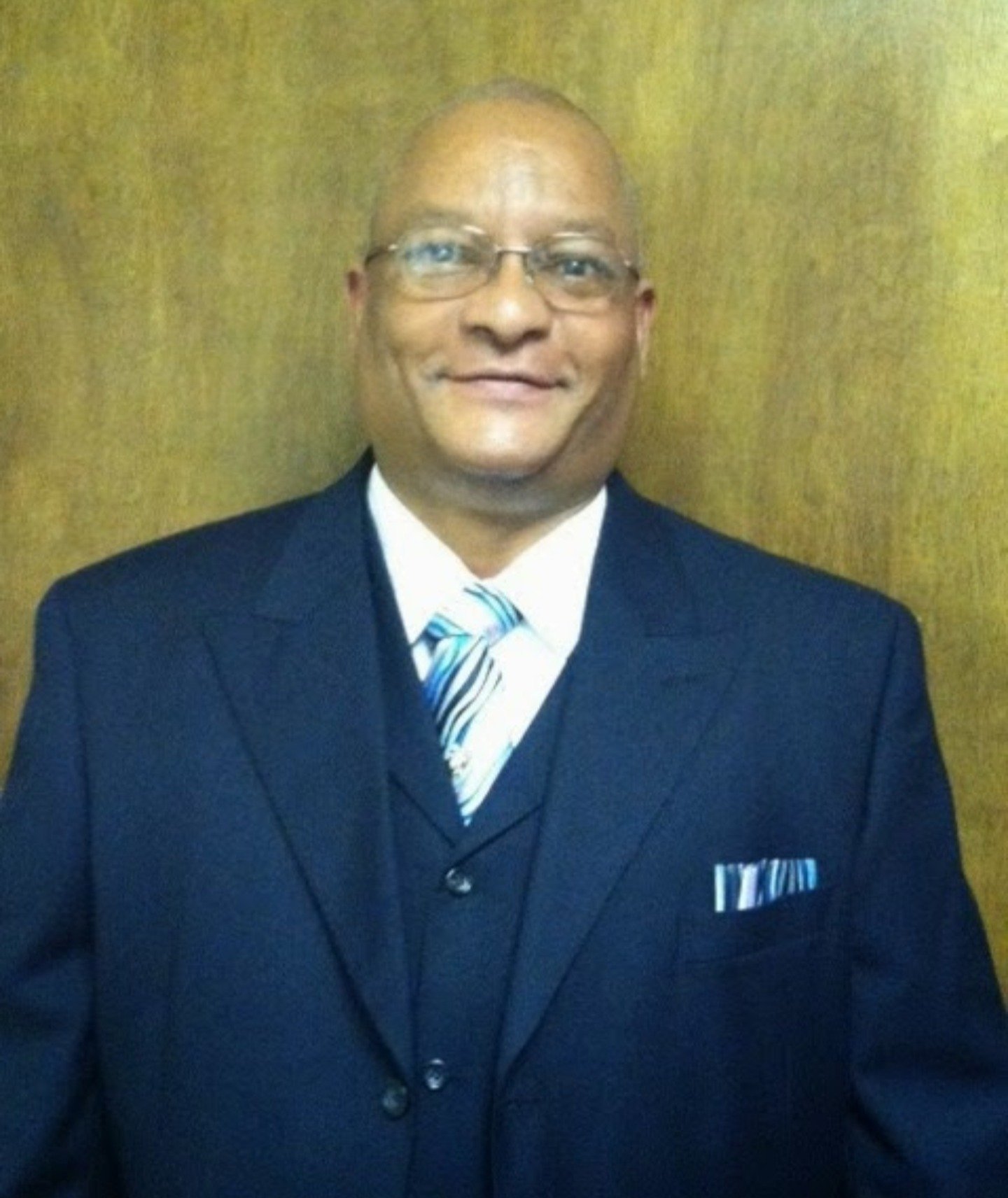
I’m R-E SAMPLE with JUST STRAIGHT TALK, presented by SAMPLEUS.
Remember: TRUTH DON’T CHANGE. JUST STRAIGHT TALK

R-E SAMPLE is the creator of Just Straight Talk, a faith-based platform built on one belief: people don’t need more noise, they need the truth spoken plainly.
Through his blog, video blogs, and podcast, Ronald writes about purpose, faith, and living with intention — especially for those who feel overlooked as they get older. His work speaks directly to people navigating retirement, loss, regret, and the quiet question of “what’s the point of all this?” His answer is always the same: your life still matters, and it’s never too late to live with purpose.
Ronald’s writing is honest, direct, and rooted in scripture. He doesn’t dress things up or talk down to anyone. He just tells the truth as he’s lived it and learned it.
Truth don’t change. Just straight talk.