
Future of Purpose, Guiding the Next Generation
If you care about the future, you care about the next generation. You don’t have to be rich, famous, or perfect to make a difference. You just have to be willing to show up with honesty, wisdom, and love. That’s what this blog is about: how we, especially as seniors and seasoned adults, can help younger people hold on to purpose in a world that keeps trying to distract, divide, and confuse them.
Why “purpose” still matters in a changing world
Every generation feels like the world is changing too fast. But right now, the speed of change is something different. Technology, social media, constant news, political division, and pressure to “be successful” by yesterday all hit young people at the same time.
In the middle of all that noise, purpose is what keeps a person steady.
Purpose answers questions like:
- Why am I here?
- What am I good at?
- Who am I supposed to help?
- What kind of life do I want to build?
Without purpose, life turns into survival, not living. People drift from day to day, numb, angry, or just tired. With purpose, even hard days have meaning. You may not like your situation, but you understand why you’re fighting through it.
For those of us who are older, we’ve seen enough life to know the truth: jobs change, money comes and goes, bodies get slower, but purpose can carry you all the way to the finish line. That’s what we need to pass along.
What the next generation is really facing
A lot of young people today are not lazy or careless. Many of them are overwhelmed. They are dealing with:
- Constant comparison: Every scroll on social media says, “You’re behind. Someone else is doing better.”
- Confusing messages: “Be yourself” and “Fit in” are shouted at the same time.
- Financial pressure: High rent, student loans, and uncertain job markets.
- Emotional strain: Anxiety, depression, and loneliness are way more common than people admit.
- Broken examples: Many never saw a healthy marriage, steady work life, or calm problem-solving in the home.
On top of that, they are told they can be anything, but nobody slows down to help them decide what they are actually called to be.
That’s where we come in. Not as judges. Not as “back in my day” speakers. But as guides — people who have survived storms and can say, “Let me walk with you while you figure this out.”
Our role: from “telling” to “guiding”
There is a big difference between controlling and guiding.
- Controlling says: “Do it my way, because I said so.”
- Guiding says: “Let’s talk this through. Here’s what I’ve seen. Here’s what I learned the hard way.”
Many of us grew up in a time when you didn’t question adults. You just did what you were told. But this generation is wired differently. They ask “why.” They want to understand. They want conversation, not commands.
Guiding the next generation means:
- Listening before speaking.
- Asking questions instead of delivering speeches.
- Sharing your story, including your mistakes, instead of pretending you did everything right.
- Giving advice, but leaving space for them to make their own decisions.
One powerful anchor for purpose comes from a familiar scripture:
“Train up a child in the way he should go: and when he is old, he will not depart from it.” (Proverbs 22:6, KJV)
You can read it in full here.
That doesn’t mean forcing a child into your plan. It means helping them discover their God-given path, then supporting them as they walk it.
How to help them discover purpose, not just chase success
Young people are surrounded by messages that shout: “Get the bag. Build the brand. Go viral.” None of that is bad by itself, but it’s not the same as purpose.
You and I can help them slow down and ask deeper questions:
- What do you care about enough to suffer for?
Purpose is usually tied to something you’re willing to work hard for, even when it’s not fun or popular.
- What problems bother you the most?
Sometimes purpose shows up in what breaks your heart. If a young person can’t stand to see lonely seniors, hungry kids, or injustice, that might be a clue.
- What do people naturally come to you for?
Do others ask them for help with fixing things, explaining technology, calming arguments, or encouraging words? That’s a sign of where their gifts are.
- Where do you feel “most like yourself”?
When they’re in their lane, they feel alive, focused, and peaceful at the same time.
Instead of saying, “You should be a doctor” or “You need a government job,” we can say things like:
- “I’ve noticed you’re really patient with people. Have you ever thought about work that uses that?”
- “You light up when you talk about music. How could that be part of your future, even if it’s not your main job?”
- “You’ve got a mind for numbers. Have you explored anything in finance, data, or business?”
We don’t have to give them all the answers. We just have to help them ask the right questions.
Practical ways to walk beside them
Here are concrete, everyday ways we can guide the next generation toward purpose — without preaching them into a corner.
- Share real stories, not just results.
Tell them about the job you hated, the risk you took, the time you almost gave up. Let them see the messy middle, not just the finished product.
- Create space for conversation.
Invite them to sit down for coffee or a simple meal. Put the phone away. Ask, “What’s really on your mind right now?” and let silence sit there until they answer.
- Offer mentorship, not control.
Say, “If you ever want to talk about school, money, faith, or life decisions, I’m here for you. No judgment.” Then mean it.
- Respect their differences.
They will not dress like you, talk like you, or see the world exactly the same. Purpose does not require them to become a copy of you.
- Support healthy boundaries.
Help them learn it’s okay to say no to toxic people, endless work, or unhealthy habits. A purposeful life needs room to breathe.
- Point them back to something bigger than themselves.
A life centered only on self will always feel empty. Encourage them to build a life that honors God, serves others, and leaves the world a little better than they found it.
Psalm 78:4 talks about telling the next generation “the praises of the Lord, and his strength, and his wonderful works.” You can read that verse here.
- Be consistent, not perfect.
They don’t need flawless role models. They need honest ones. If you miss it, apologize. If you’re still learning, say so.
Encouragement for those who feel “too old” to matter
Let’s talk straight: some seniors feel like their best days are behind them. The body is slower, the world looks different, and it can feel like nobody is checking for your opinion anymore.
But hear this clearly — your wisdom is not outdated. It is needed.
- Your stories hold lessons textbooks can’t teach.
- Your scars hold wisdom that can save someone else years of pain.
- Your calm presence can steady a young person who feels like everything is falling apart.
You may not understand every app on their phone, but you understand life, loss, love, regret, forgiveness, second chances, and what really matters in the long run. That is gold.
Purpose does not retire. It may shift from “doing the work” to “pouring into the workers,” but it never disappears.
Bringing it all together
The future of purpose is not about fancy slogans or perfect plans. It is about real people, like you and me, staying available to the next generation. It is about guiding instead of controlling, listening instead of lecturing, and pointing them to something deeper than likes, followers, or quick money.
If you are still here, you still have purpose.
And one big piece of that purpose might be this: helping someone younger find theirs.

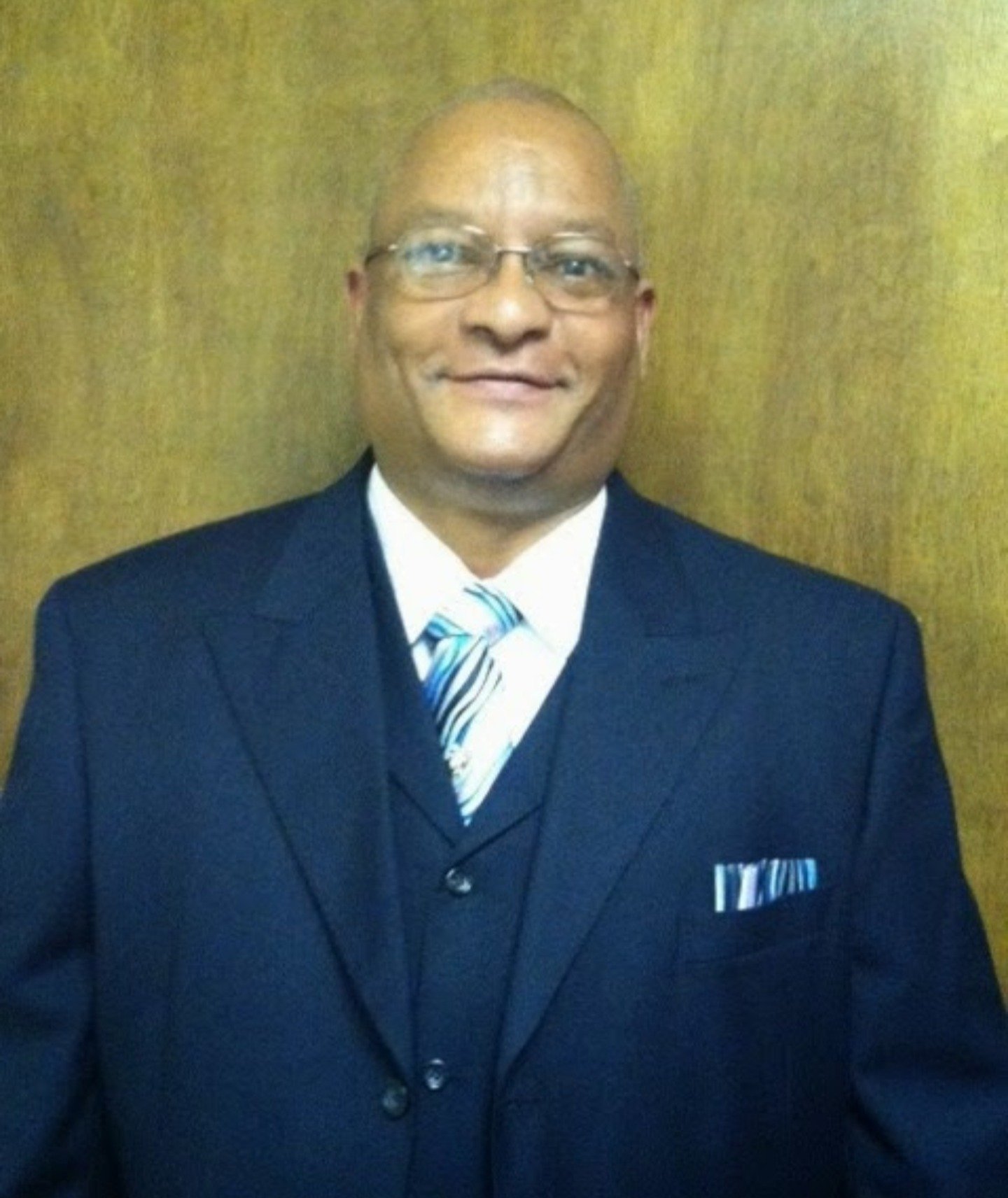
R-E SAMPLE is the creator of Just Straight Talk, a faith-based platform built on one belief: people don’t need more noise, they need the truth spoken plainly.
Through his blog, video blogs, and podcast, Ronald writes about purpose, faith, and living with intention — especially for those who feel overlooked as they get older. His work speaks directly to people navigating retirement, loss, regret, and the quiet question of “what’s the point of all this?” His answer is always the same: your life still matters, and it’s never too late to live with purpose.
Ronald’s writing is honest, direct, and rooted in scripture. He doesn’t dress things up or talk down to anyone. He just tells the truth as he’s lived it and learned it.
Truth don’t change. Just straight talk.